Address:
Suite 4.02, 17 Macquarie Street
Parramatta NSW 2150
Phone:
Fax:
(02) 4721 1955
Email:
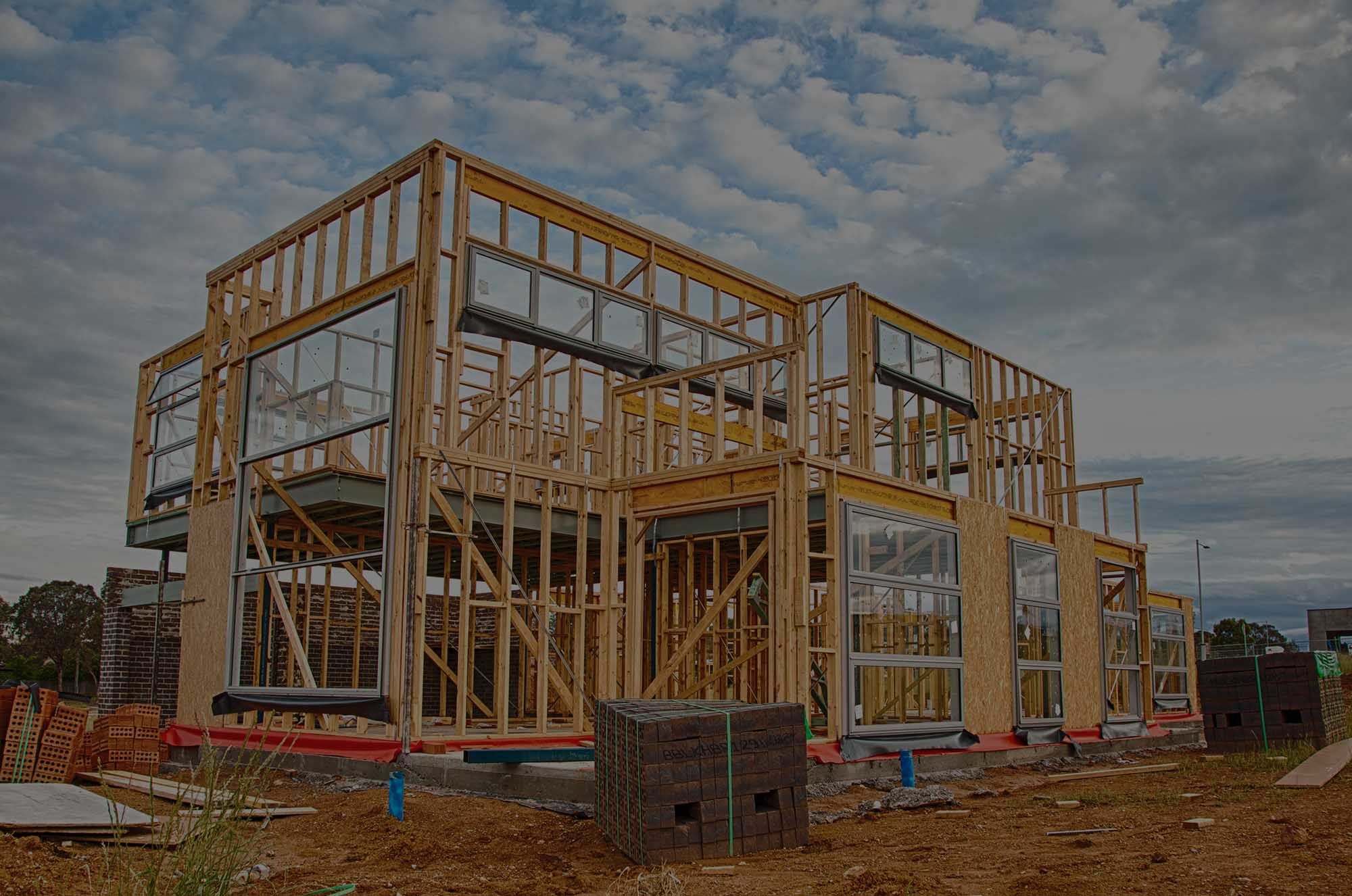
Practical, compliant structural designs for new buildings, alterations, additions and remedial works.
Independent investigations and clearly reasoned engineering reports that identify structural damage, defects and their likely causes, including:
Site-specific stormwater solutions designed to manage runoff, protect property and support development approvals, including:
The engineers at Inhouse Consulting Engineers have a range of expertise and are known by many names – structural engineers, residential engineers and civil engineers. Therefore, if you need a skilled engineer, get in touch with us.
Structural engineers specialise in designing, analysing, and ensuring the structural integrity and safety of buildings, bridges, and various other structures and that they meet the Australian Standards and local building codes. Basically, a structural engineer’s role is to ensure that constructed buildings and infrastructure can withstand the forces they are subjected to, including soil reactivity, wind loads, earthquakes, and other environmental factors.
Here are some key aspects of what structural engineers do:
Design and Analysis: Structural engineers work on the initial design and analysis of structures to ensure they meet safety and performance standards. They determine the appropriate materials, sizes, and shapes to be used for various components.
Load Analysis: They calculate and assess the loads that structures will experience during their lifetime, including dead loads (permanent weight), live loads (temporary loads like people and furniture), wind loads, seismic loads, and others.
Material Selection: Structural engineers select the most suitable materials for construction, considering factors like strength, durability, and cost-effectiveness. They may work with materials such as steel, concrete, wood, and more.
Construction Oversight: They often work closely with architects, construction teams, and other professionals to ensure that the design is implemented correctly during construction. This may involve site visits and inspections.
Safety Standards: Structural engineers must adhere to safety standards and building codes to ensure that structures are safe for occupancy and use. They also consider factors like fire resistance and emergency evacuation.
Renovations and Retrofits: In addition to new construction, structural engineers are involved in the renovation and retrofitting of existing structures to improve their safety, functionality, and longevity.
Computer Modeling and Software: They use specialised software and computer modeling to simulate how structures will behave under different conditions and to optimise designs for efficiency and cost-effectiveness.
Environmental Considerations: Some structural engineers focus on sustainable and environmentally friendly construction methods and materials to minimise the impact of buildings and infrastructure on the environment.
Specialisations: Structural engineering can be specialised in various fields, including residential, commercial, industrial, and infrastructure projects. They may also specialise in specific types of structures, such as bridges or high-rise buildings. At Inhouse Consulting Engineers, we are highly experienced in all these areas and more.
Structural engineers play a crucial role in the construction industry, ensuring the safety and durability of structures. They are highly skilled professionals who collaborate with architects, builders, and developers or homeowners to bring construction projects to life in a cost-effect manner while maintaining the highest standards of safety and functionality.
A remedial or forensic engineer is a highly specialised engineer who investigates and analyses structural failures and other environmental-related incidents to determine the cause of structural failures. This involves inspecting a structure, examining evidence, reconstructing events, and providing expert opinions on technical matters in legal, insurance and dispute resolution contexts.
Here are key aspects of what a forensic engineer does:
Investigation: Forensic engineers investigate incidents such as structural failures, fires, industrial accidents, product defects, floods and earthquakes and even traffic accidents. They collect data, examine evidence, and visit the incident site to reconstruct events.
Analysis: They use their engineering knowledge and analytical skills to identify the root causes of failures or accidents. This often involves assessing structural integrity, materials, mechanical systems, electrical systems, and other technical aspects.
Expert Witness: Forensic engineers often serve as expert witnesses in legal proceedings, providing testimony and reports that can be used in court. They offer professional expert opinions on the technical aspects of a case. When called upon, forensic engineers may testify in court to explain their findings and provide expert opinions, helping commissioners and chairpersons mostly in the NSW Civil and Administrative Tribunal understand complex technical matters and determine how to adjudicate on legal matters involving structural failures.
Documentation: They meticulously document their findings, methodologies, and conclusions in detailed reports. These reports are essential for legal and insurance purposes.
Risk Assessment: Forensic engineers may be involved in evaluating risk factors and making recommendations to prevent similar incidents in the future. They can contribute to safety improvements and best practices.
Diverse Specialisations: Forensic engineering spans multiple disciplines, including civil engineering, structural engineering, mechanical engineering, electrical engineering, materials science, and more. The specific specialisation of a forensic engineer depends on the nature of the incident being investigated.
Insurance Claims: Forensic engineers also play a crucial role in insurance claims by determining whether the damage or loss was due to an accident or negligence and, if so, who is responsible.
Inhouse Consulting Engineer has a strong reputation as a leading forensic and remedial structural engineering firm and are trusted by three of the largest insurance companies in Australia including:
Between these companies, we have completed over 1,000 remedial investigations and reports over the past 10 years alone. Our experience and expertise in remedial and forensic engineering are equally valuable to the strata industry, for whom we have undertaken over 500 engagements.
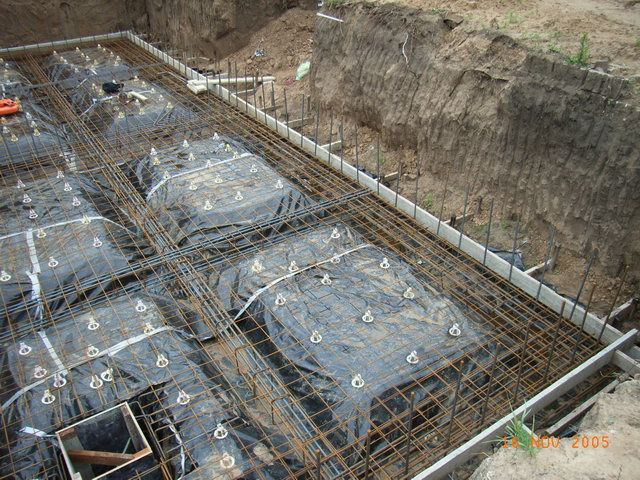
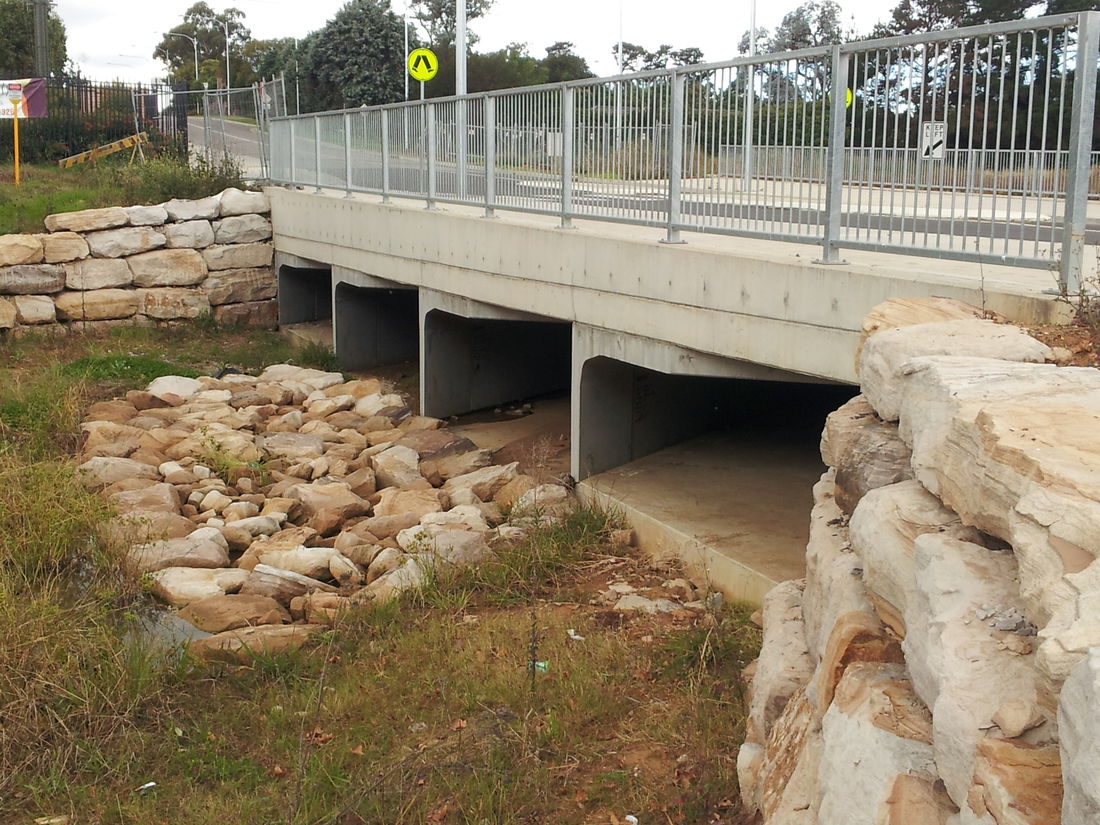
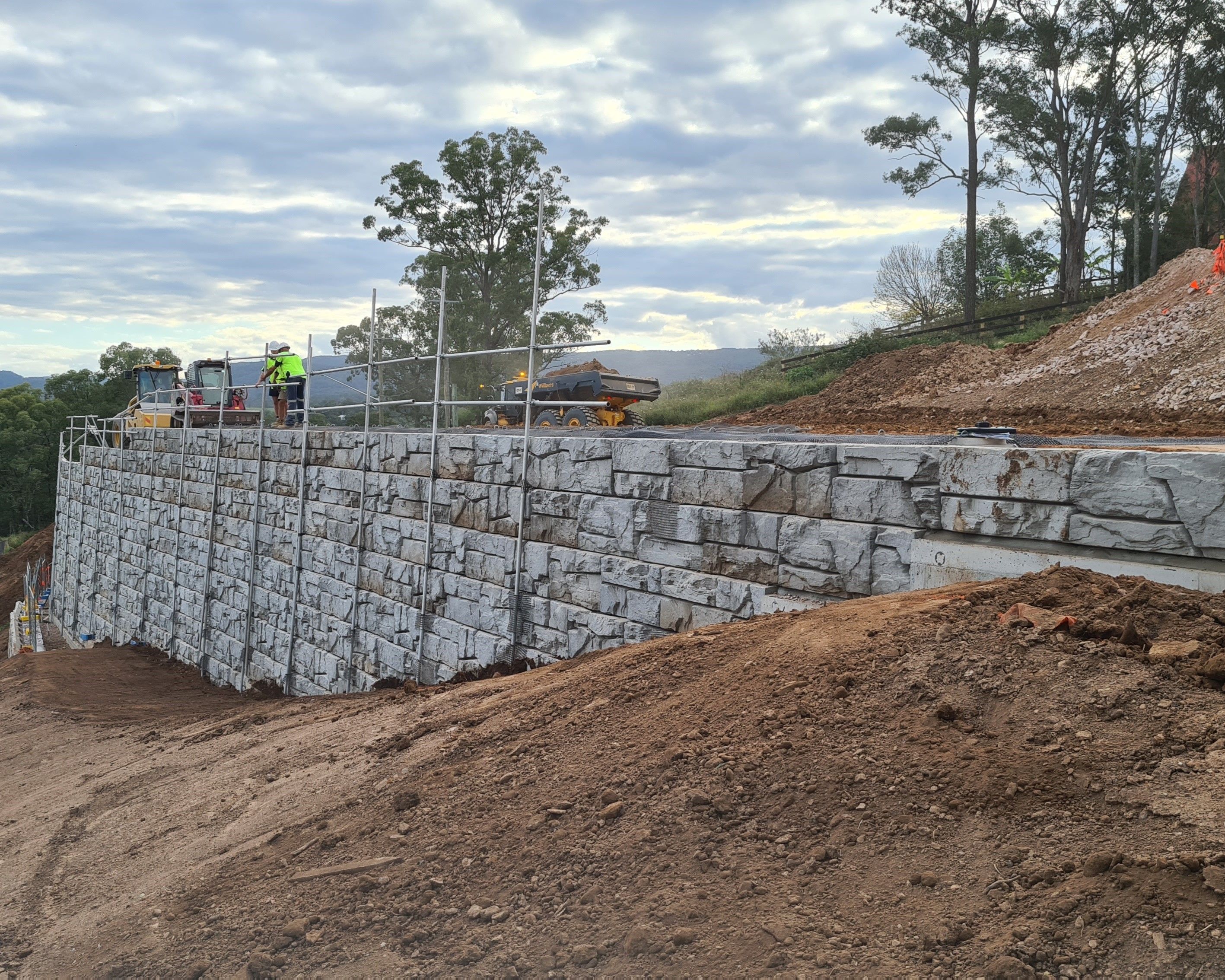
If we are utilised in the civil engineering capacity we can help with stormwater designs, water sensitive urban design (WSUD), culverts, concrete slabs for retaining walls and bridges.
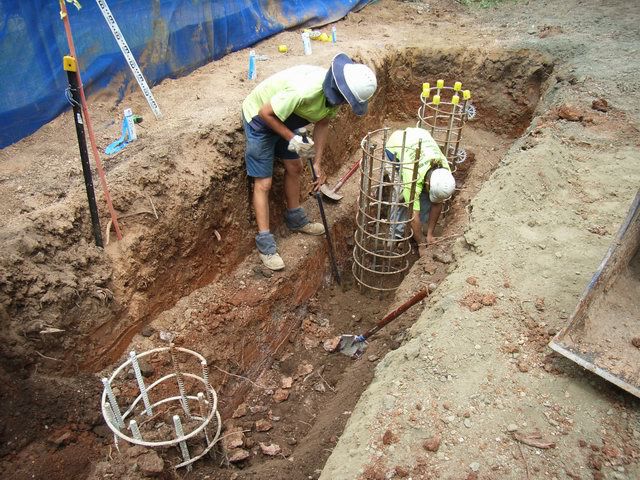
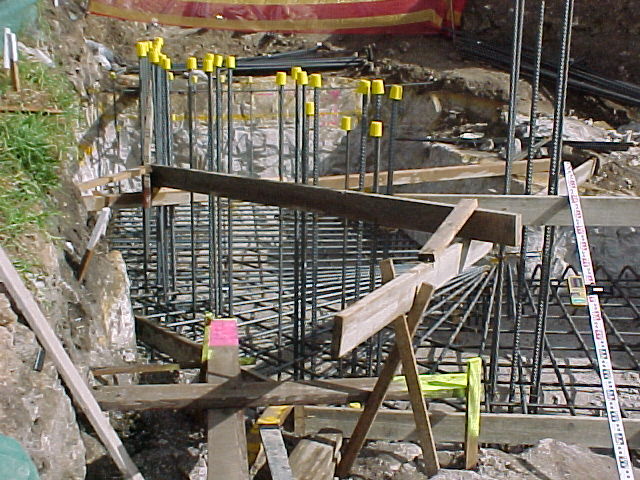
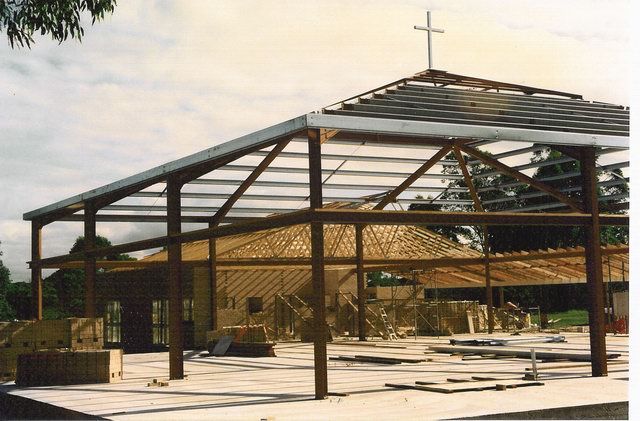
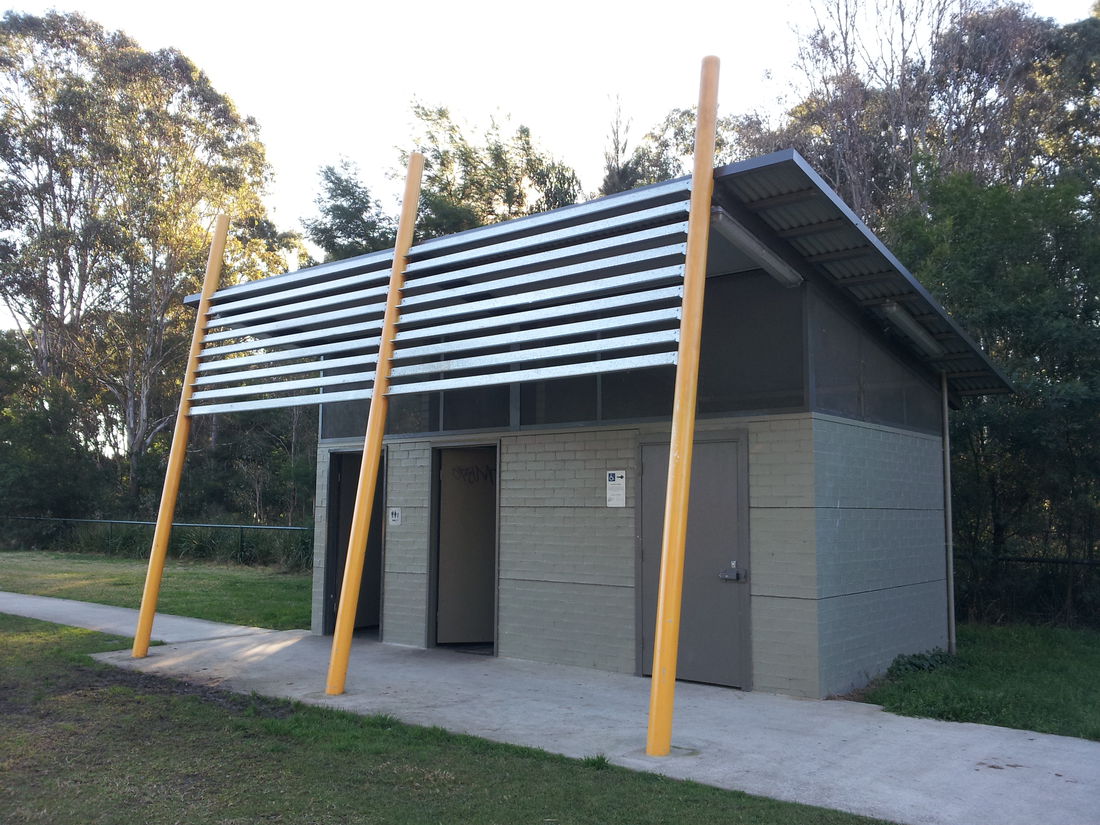
We have also worked with planners and provided foundations for viewing platforms and shelter structures in a variety of public locations.
As you can see from the above variations of our skills, without the help of one of our engineers from Inhouse Consulting Engineers Sydney and Blue Mountains homeowners and developers dreams could be short lived before damages reveal unsuitable or inadequate construction methods.
When a claim turns on the value of land or property, you need clear, defensible valuation evidence. We provide insurers and loss adjusters with independent, commercially focused opinions on property value, diminution, indemnity, and the financial effect of damage.
Determining engineering cause and repair methodology is one thing. Understanding what damage means for market value is another. Our role is purely commercial and valuation-focused, giving you the objective financial evidence needed to assess exposure, resolve disputes, and settle claims with confidence.
Whether you're managing a straightforward property loss or a complex claim involving contamination, stigma, or development potential, we deliver rigorous, evidence-based valuations you can rely on.
Pre-loss and post-loss valuation
We estimate the market value of land and improvements immediately before an insured event, then assess the property in its "as damaged" condition—accounting for any discount a purchaser would apply for repair risk, uncertainty, stigma, or restricted usability.
Diminution-in-value assessment
We calculate the difference between the property's value before and after an event. This is especially relevant where complete physical reinstatement is impossible or does not fully restore market value.
Reinstatement-cost and underinsurance analysis
We estimate rebuilding costs for insurance-declaration purposes, including demolition, professional fees, escalation, and statutory costs. We also compare the declared sum insured against the proper reinstatement value, allowing you to apply any underinsurance or co-insurance provision.
Total-loss and land-value apportionment advice
We assess whether repairing or rebuilding is economically reasonable when weighed against property value, the undamaged land component, residual improvements, and policy limits. We also separate the value of the land from the value of buildings and improvements—important because land is generally not insured under a conventional building policy.
Stigma, contamination, and risk-impact valuation
We assess whether a repaired property continues to suffer a market discount due to fire history, flooding, contamination, methamphetamine exposure, or structural movement. We also evaluate the effect of environmental impairment, statutory notices, and changed risk information such as hazard mapping, rezoning, or insurability constraints—always grounded in actual market evidence.
Loss of rent and alternative accommodation
We determine market rent, achievable rent in the damaged condition, rental loss during reinstatement, and appropriate vacancy periods. For substantial residential claims, we assess the reasonable market cost of comparable temporary accommodation.
Cash-settlement and salvage valuation
We provide market-value evidence where a cash settlement is proposed, particularly if the insured disputes whether the amount reflects the actual loss. We also value damaged property, reusable improvements, and development sites after demolition.
Development, betterment, and highest-and-best-use analysis
We identify whether proposed reinstatement would leave the insured with a more valuable asset, whether existing improvements were already obsolete, and whether damage or planning controls have affected the site's redevelopment potential.
Third-party, strata, and access-related claims
We value individual lots and common property, assess alleged value loss to neighboring properties affected by insured works, and evaluate the impact of easements, access restrictions, and remedial works extending onto adjoining land.
Mortgagee and security assessments
We advise lenders and insurers on whether damage has materially affected mortgage security and whether a proposed settlement adequately protects the secured interest.
Business-interruption property inputs
We provide market-rent, occupancy-cost, and property-value evidence to forensic accountants assessing business interruption or additional operating costs.
Expert evidence and dispute support
We prepare compliant expert reports, respond to competing valuations, participate in conferences, and give evidence in court, tribunal, arbitration, and policy-dispute proceedings.